
Years ago, ASJ investigated the way Honduran public hospitals were buying their medicine – and in the process uncovered corruption that went all the way up to the Vice President of Congress. Since that time, ASJ has helped to oversee a change in the way medicines for public hospitals are purchased – involving a third-party bank and the United Nations Office for Project Services (UNOPS) to reduce opportunities for corruption.
Shining A Light On Corruption In The Health Sector
September 28, 2016
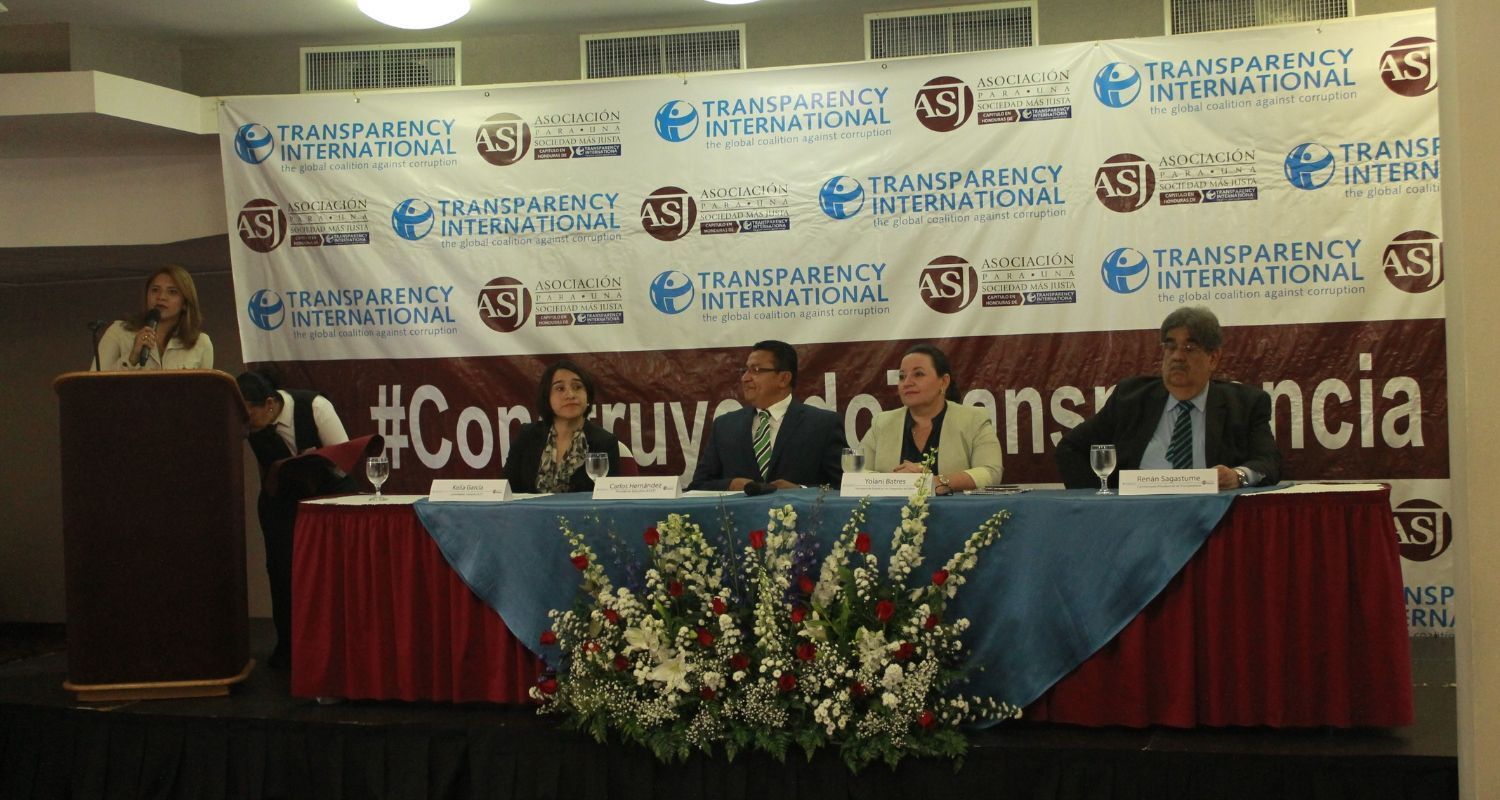
Millions of people in Honduras have difficulty accessing the health care that they need. Public hospitals run out of medicine, are poorly staffed, or keep poor records, which means that the sick too often become sicker instead of being healed. Part of the work of improving health care for all of Honduras includes understanding the root of these problems.
On September 8th, the Association for a More Just Society (ASJ), Honduras’ national chapter of Transparency International (TI), presented its baseline study and institutional diagnosis of the Honduran Secretary of Health. The technical report was the result of nearly a year of evaluations and audits.
This is the third report from ASJ/TI regarding a sector of the Honduran government. Last November, ASJ/TI presented reports on the Secretary of Education, and the Secretary of Security.
This baseline report offers an important tool for civil society to use to monitor and evaluate these government ministries, bringing corruption and poor administration into the light.
The Honduran government has committed to addressing the findings that ASJ/TI has included in the baseline report, creating a plan designed to improve public health services. It’s not an empty promise – every six months, the improvement plan will be monitored and evaluated through the TI/ASJ partnership, ensuring accountability.
A summary of some of the key findings is included below – the full executive summary of the report can be read in English here.
AREA OF PURCHASES AND CONTRACTS – Final Score: 39.5%
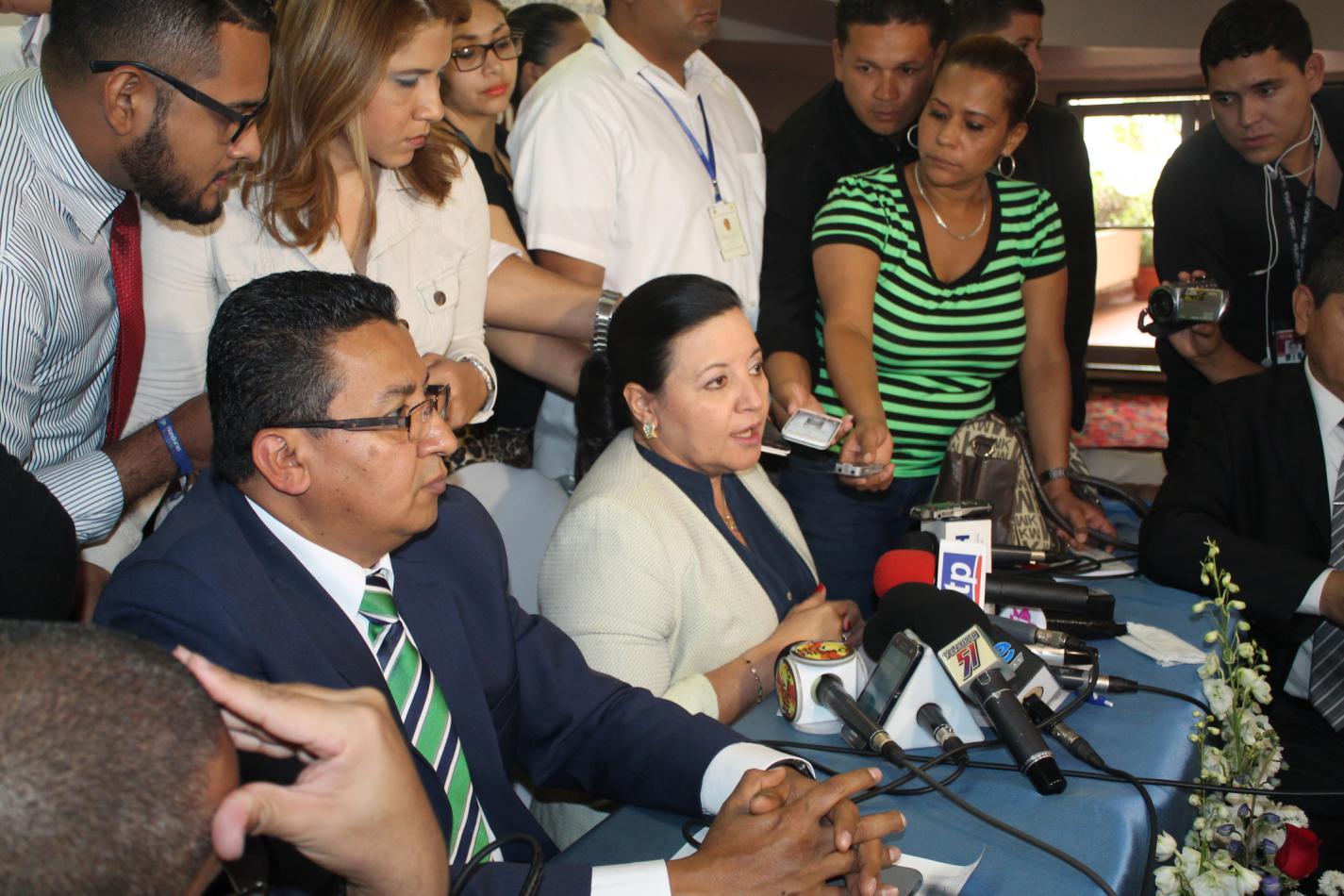
Though this new process has managed to reduce corruption and ensure that medicines are more cost-effective and higher-quality, many improvements are still required. For this report, ASJ investigated 15 major purchasing processes in detail to identify areas for improvement.
The baseline report’s findings include the following:
- Fines that should have been applied for late deliveries of medicines were not applied – these fines were as high as $10,269 for deliveries as many as 26 days late
- There remains a lack of research into normal market prices for drugs, which in multiple cases leads to overpaying for medicines and medical equipment
- Purchases were made without appropriate contracts that would protect the State in the case of failure to deliver products
- No record was kept of suppliers that repeatedly failed to comply with their contractual obligations. This made it difficult to apply penalties and also meant that contracts continued to be awarded to businesses that failed to comply with requirements in previous purchasing procedures
- There is little to no opportunity for the involvement of civil society in overseeing the purchasing process
AREA OF HUMAN RESOURCES – Final Score: 57%
Ultimately, health care in Honduras depends on the doctors, nurses, and administrators who make up the Secretary of Health. Therefore, it is essential that the people who are hired are qualified, well-trained, and well-managed.
For the baseline report, ASJ studied the process of hiring and firing health personnel, and also looked at the overall planning for human resources.
- One positive is that based on transparency standards, the Ministry of Health obtained a score of 96%, showing clear, complete, orderly, and up-to-date digital information
- Nonetheless, no strategic or comprehensive plan exists for the strengthening and improvement of human resources – a plan that would include information such as institutional diagnostics, improvement plans, and personnel growth plans
- Staffing is not adequate. Only two of 18 departments in Honduras complied with the minimum number of health professionals recommended by the United Nations, with an average of 14 professionals per 10,000 inhabitants versus the recommendation of 23 professionals per 10,000
- Warehoused personnel documents are not standardized or organized, making it difficult to form accurate profiles or have a reliable record of workers. Neither are they digitalized, which means they can be ruined in storage
AREA OF DATA COLLECTION AND MANAGEMENT – Final Score: 78.08%

The collection of data and statistics within a government organization is important for accountability, and also to track what works and what doesn’t. ASJ monitored the protocols for the collection of statistical data in the Secretary of Health and verified its reliability.
For the baseline report, ASJ looked at how hospitals track the delivery of prenatal care, care for children under the age of five, and care for patients infected with Dengue.
- Data collection is largely accurate, with employees following effective guidelines to record and track information
- These guidelines, though good, have not been made official, which could limit the consistency of the quality if leadership changes
- Some medical documents were poorly filled out, with either illegible handwriting, or portions torn out or damaged. To remedy this, ASJ recommends more organized warehousing and digitalization of documents
Though these observations may seem minute, they add up to large differences in effectiveness and efficiency within the Secretary of Health.
As the Secretary improves its purchasing processes, it will be able to buy more medicine for less money – meaning fewer people turned away from the care they need. As they improve the management of employees, they will have better-trained and better-managed health care professionals who can better serve the Honduran people. And as they improve the data collection, they will be better able to identify and respond to public health issues and recognize patterns that will help them improve their services.
For ASJ, this baseline report is only the beginning of a long-term commitment to oversee and improve public health in Honduras – with the goal of a more just society.


An ASJ-Honduras Blog by Obed García
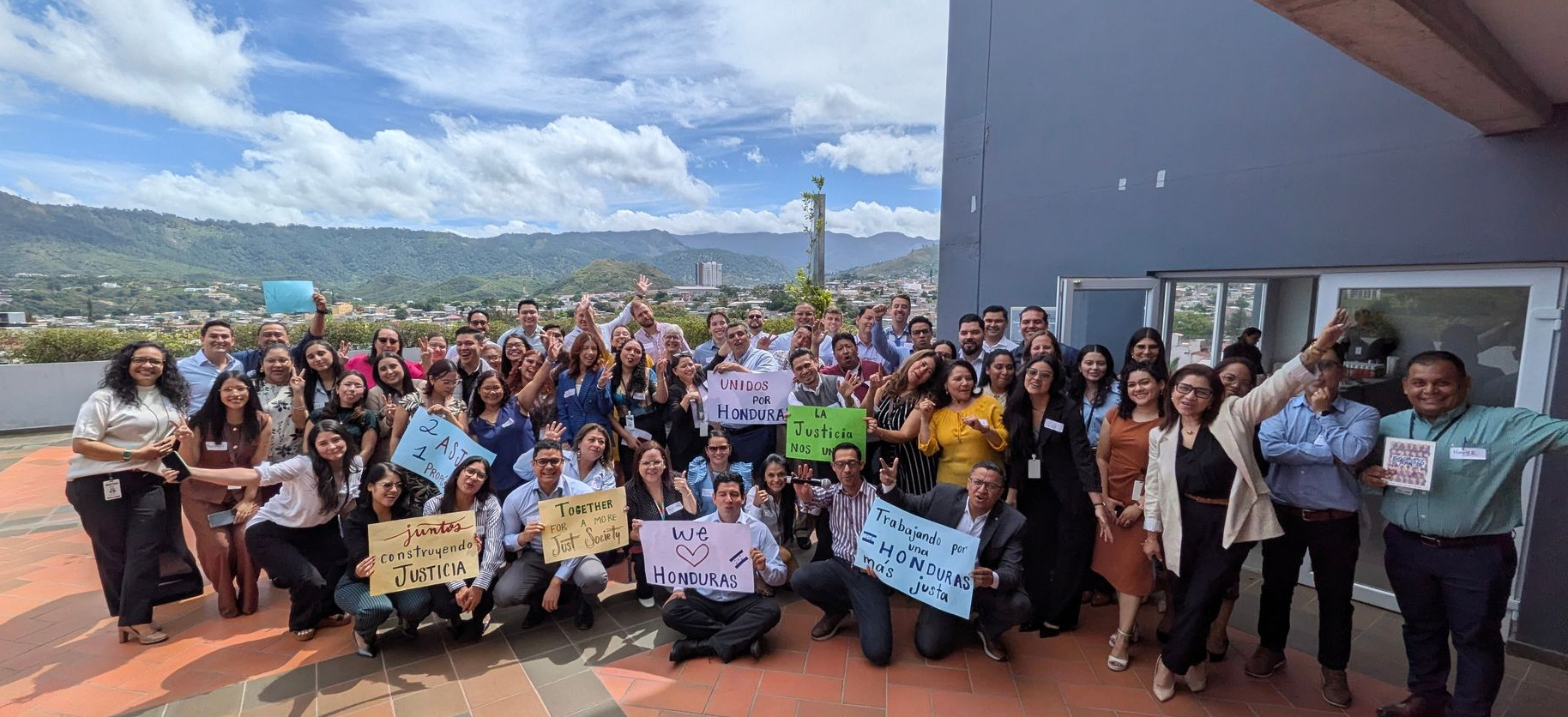
A Time of Connection, Commitment, and Fun!
By Jo Ann Van Engen

By Jo Ann Van Engen

Joy as a starting point for justice work

Joy and Art Merge in a Solemn Ceremony
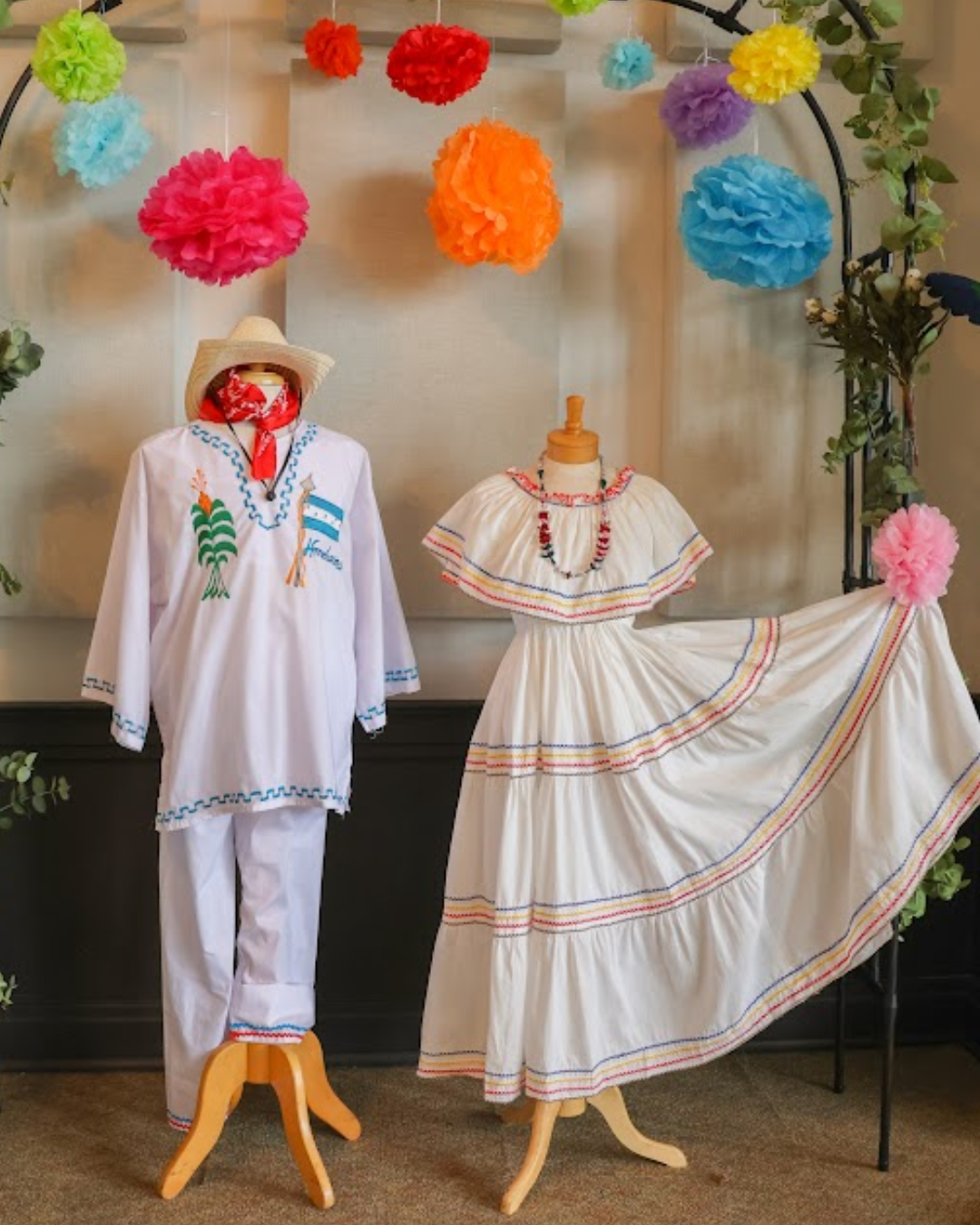
Love, Honduras
A Spotlight On Our Dedicated Volunteers
How Hondurans Live Out The Joy of Democratic Participation