February 19, 2026
A Reflection from ASJ-Canada Board President, Matt Van Geest
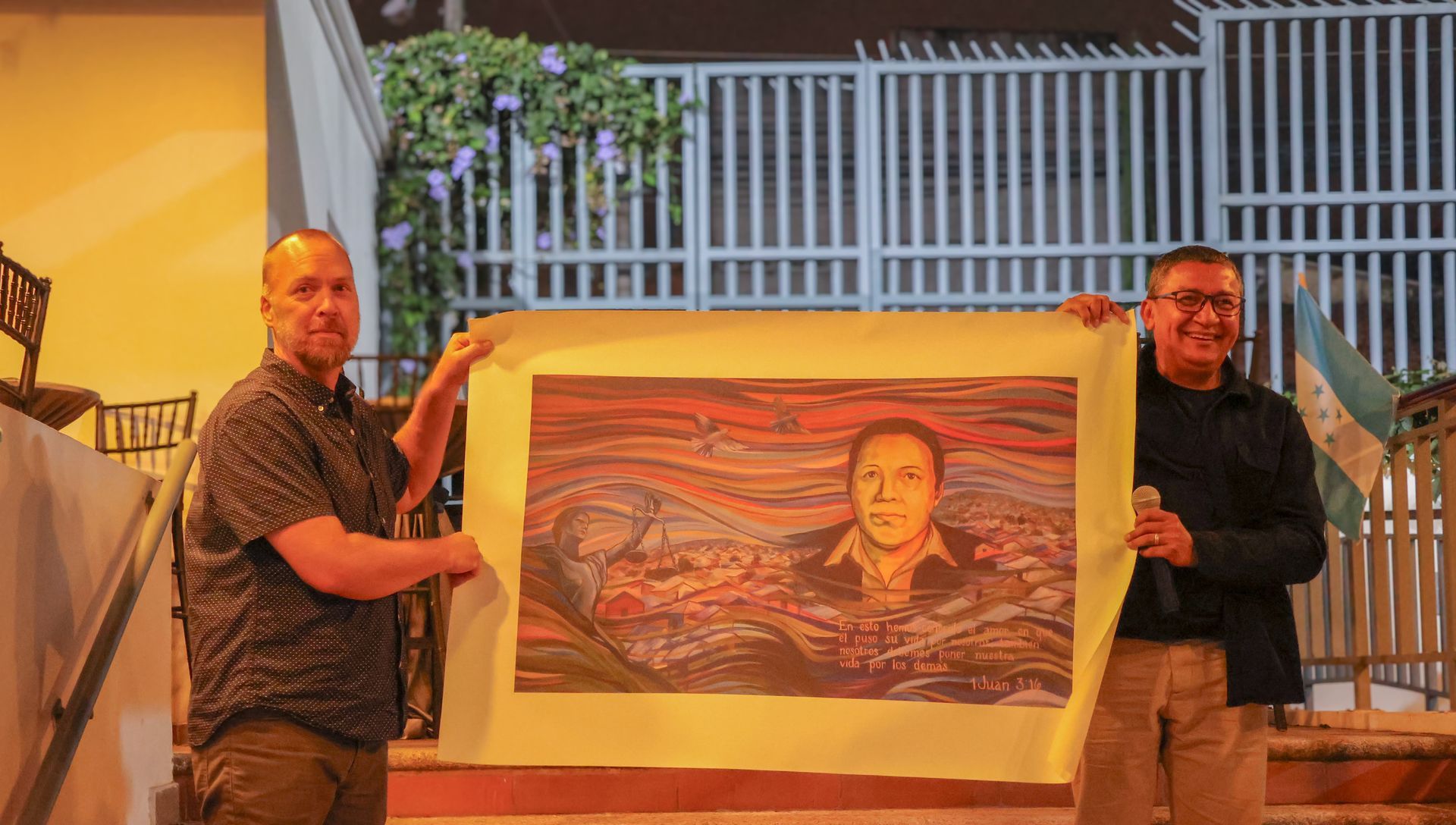
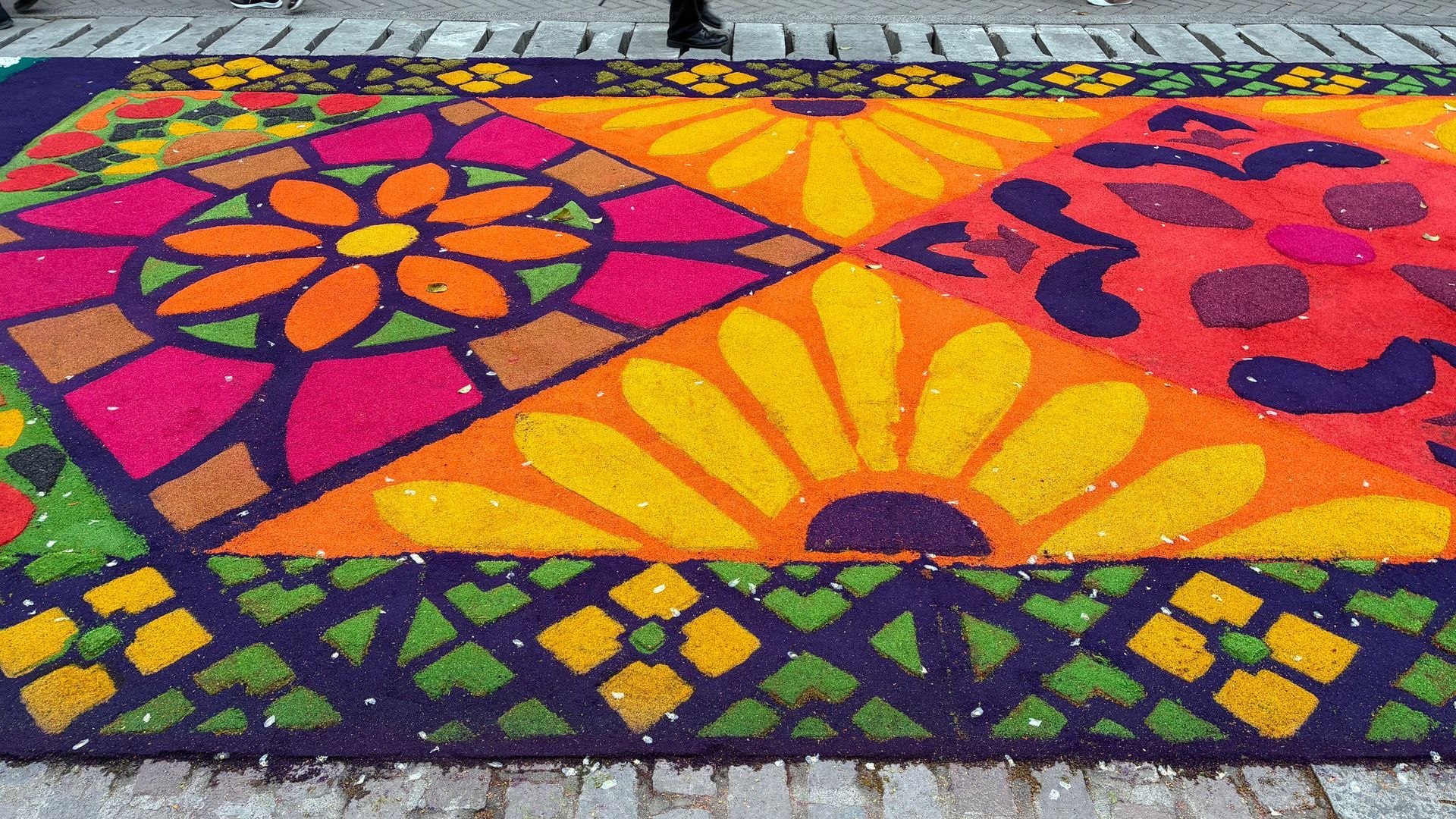
Matt Van Geest receives symbolic Dionisio painting from Carlos Hernández, ASJ co-founder and ASJ-Honduras executive director.
Canadians went to the polls in 2025 in an election that, for most of us, was over in the time it takes to grab a coffee. For me, I showed my ID, marked my ballot in private, dropped it in the box, and headed home, all within 5 minutes. Results arrived before bedtime. Democracy in Canada has always felt, to me, efficient, orderly, and secure. In late November, I was in Honduras as part of an international delegation observing that country’s national elections. The contrast was striking, and instructive. If you want to understand the fragility of democracy, sometimes you need to leave home.
Election day in Honduras unfolds with an intensity and transparency unfamiliar to most Canadians. I noted throughout the day how much fun people seemed to be having! The loud Latin music being played outside of voting centres helped with that vibe! Voters lined up early. Observers from political parties and those organized by civil society stood around each table as the day begins, ensuring that processes are respected. And once voting closes, every citizen has the legal right to observe the manual count at each polling station, sometimes a process that stretches late into the night. I heard counting coming though the open window of my hotel room still coming in at 3 in the morning!
The vote was exceptionally close, and election night counting was slow. The close results meant that the process would be slow. When electoral authorities announced that results would not be available until the following Monday (which stretched into a month), tension rose across the country. For many Hondurans, uncertainty during that long count carried real political and economic risk.
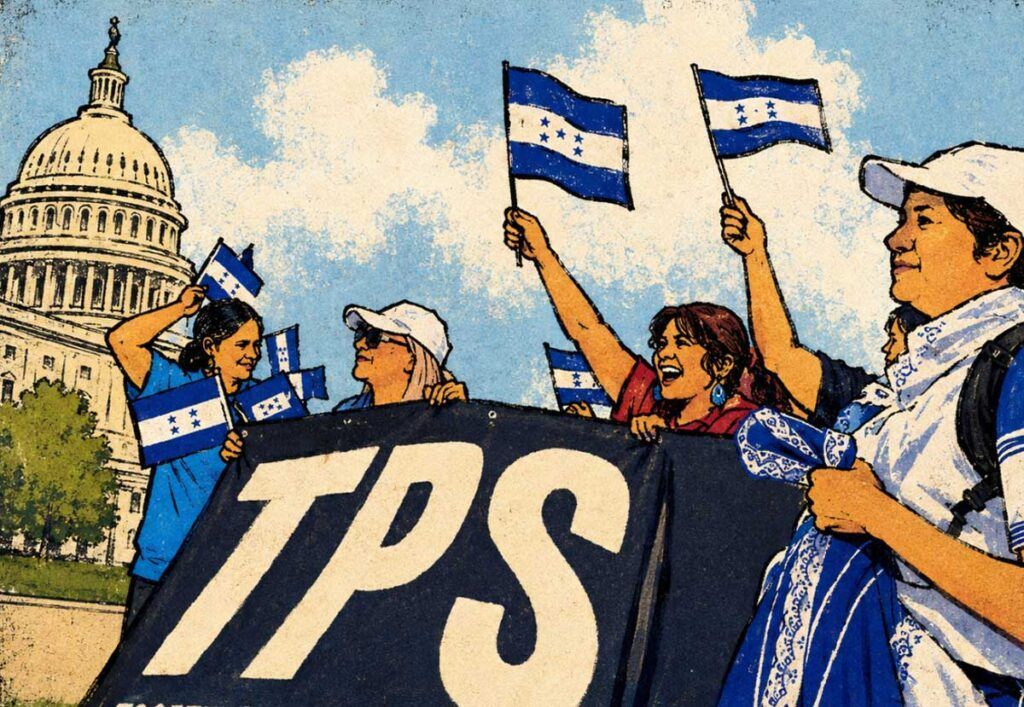
The election was also shaped by events far beyond Honduras’ borders. In the days leading up to the vote, a series of unexpected and forceful statements from U.S. President, Donald Trump, shifted public opinion. The Liberal Party had been expected to win. But after Trump signalled clear support for the National Party, many Hondurans reassessed their choice out of fear that opposing Trump’s preferred candidate might trigger punitive policies affecting immigration status or the flow of remittances. The concern was not abstract as roughly a quarter of Honduras’ GDP comes from remittances (the flow of money sent to family members).
That fear is also connected to the recently released U.S. foreign policy framework which emphasizes American dominance in the hemisphere and explicitly discusses shaping electoral outcomes in Latin America. Hondurans understand that their democracy, not just their economy, is vulnerable to forces beyond their borders.
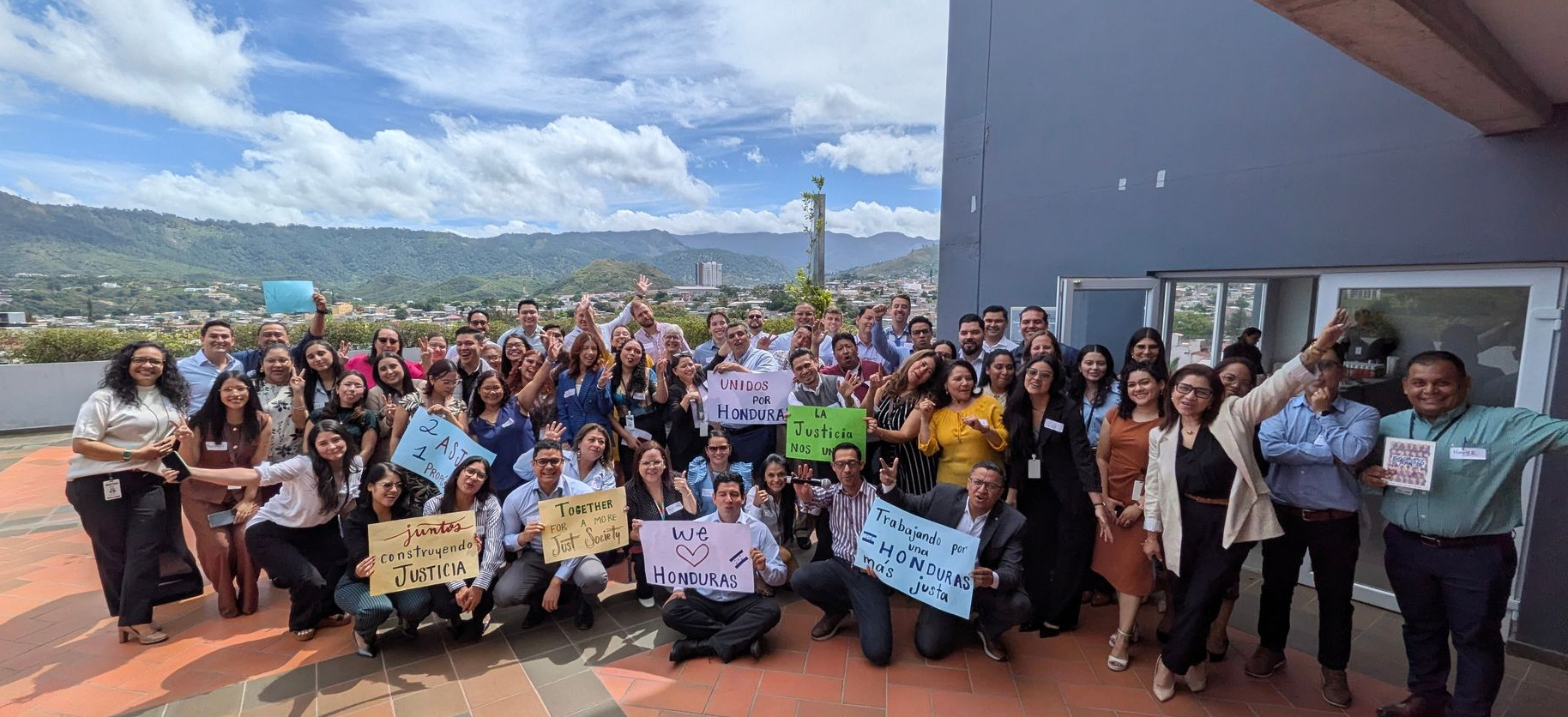
Despite the contested counting process and the negative impact of external influences – both important learnings for me – I also got a glimpse into the impact of organizations like ASJ-Honduras. Organizing 12,000 domestic observers and a small group of international observers was no small feat, and demonstrated their commitment to transparency, good governance and anti-corruption.
I returned to Canada with a different understanding of what democracy can cost. We can’t just treat it like the coffee run of my election experience earlier last year – it’s something that requires work and it is worth fighting for. And what struck me most on election day in Honduras was not so much the fragility or the external influences – it was the determination. Honduras lined up to vote because it mattered to them, and that was a lesson worth bringing home.
“After many years of effort, we’re excited to share that in 2025, ASJ-Canada received official charitable status from the Canada Revenue Agency. This will allow Canadians to get a tax receipt while donating to the work of ASJ in Honduras.
We launched our new website and social media presence and are very excited about this new chapter, already seeing the outpouring of support from Canadians who are invested in this work. 2026 will be a foundation-building year as we continue to grow and sustain our support of this shared mission.”
- Matt Van Geest, Board President, ASJ-Canada
READ MORE ARTICLES IN THIS ISSUE OF JUSTICIA
A Welcome Message
Read MoreWords from the Executive Director
In November, I had the privilege to travel with ASJ supporters from the US and Canada to Tegucigalpa as a team of international election observers. The experience was profound. I’ve been sharing about it with anyone who will listen ever since. One of the most common questions I get is, “Were the results legitimate?” After I answer with
an emphatic, “Yes!”, there is the inevitable follow-up, “How do you know?”
It’s a good question. And I have a good answer.
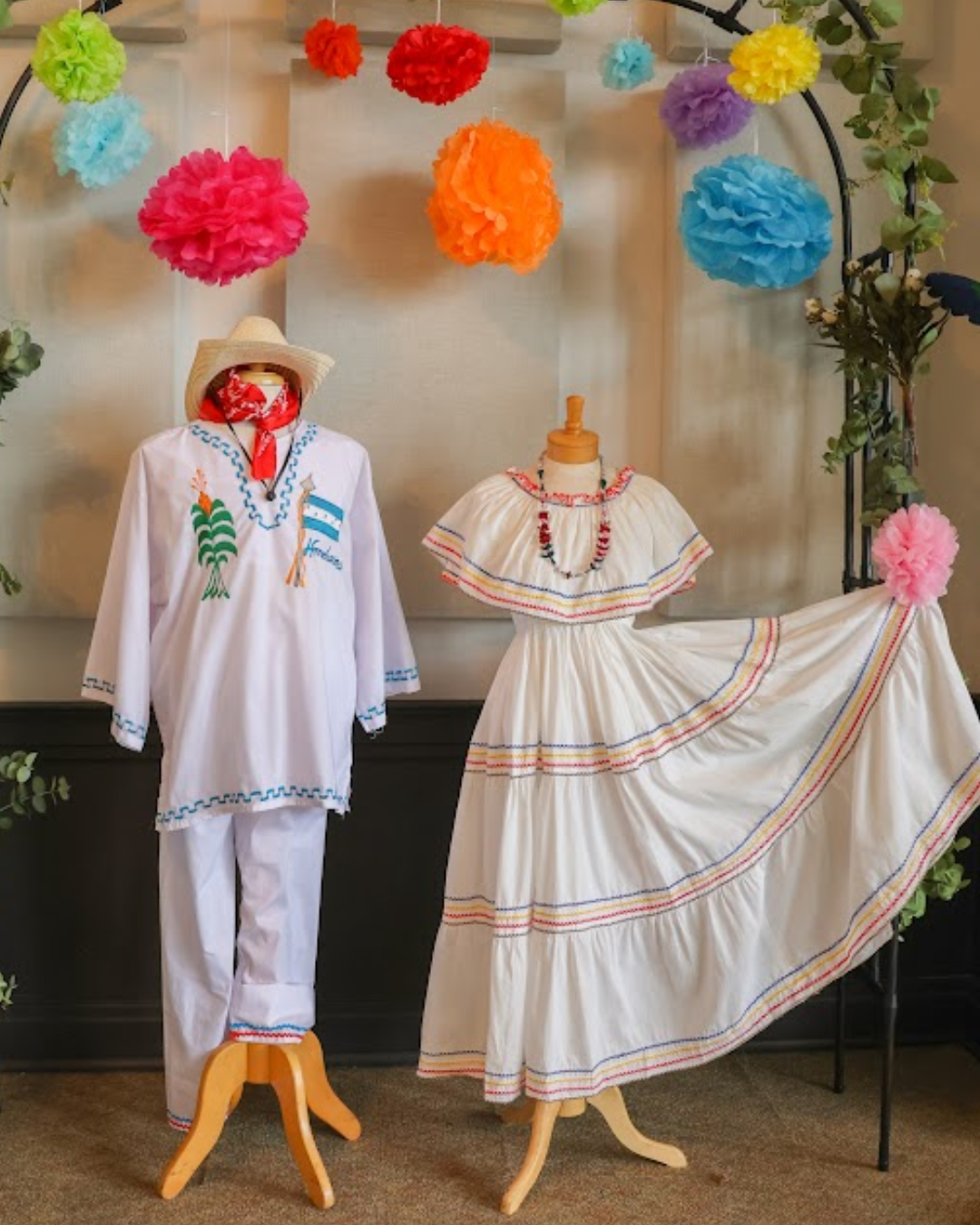
A Honduran Celebration
Read MoreHow Hondurans Live Out the Joy of Democratic Participation.
by Ernesto Cortés
In the months leading up to the presidential election in Honduras, there was an atmosphere of anxiety and uncertainty. The media frequently broadcast news stories that suggested public institutions were being exploited for partisan purposes. There was strong polarization between political parties, fake news, attacks and hate speech against candidates. In this context of democratic crisis, I signed up to be an observer with the Network for the Defense of Democracy (RDD)—a civil society alliance led by ASJ—because I believed that only by participating actively and consciously could I contribute to building a more just society for all Hondurans.
A New Beginning for Education
Read MoreA Spotlight on Our Dedicated Volunteers.
The first week of February is when, ideally, Honduran schools should welcome students to the classrooms. However, this has only happened a handful of times. Honduran law also requires schools to provide at least 200 days of classroom instruction. This has also only happened a handful of times.