Rev. Kyle Meyaard-Schaap
Executive Director, ASJ-US
February 19, 2026
Dear Friend,
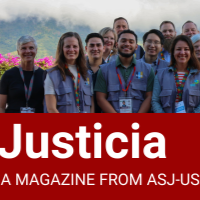
In November, I had the privilege to travel with ASJ supporters from the US and Canada to Tegucigalpa as a team of international election observers. The experience was profound. I’ve been sharing about it with anyone who will listen ever since. One of the most common questions I get is, “Were the results legitimate?” After I answer with an emphatic, “Yes!”, there is the inevitable follow-up, “How do you know?”
It’s a good question. And I have a good answer.
ASJ coordinated several critical efforts around the election in November, from supporting the Prayer Walk for Peace and Democracy that brought over 300,000 people into the streets last August to recruiting over 12,000 volunteer election observers to cover 85% of all polling stations across the country on Election Day. Something else ASJ and our partners were engaged in before, during, and after the election was our work to implement the Process and Results Verification for Transparency (PRVT), or “quick count”, methodology to verify the official results.
At its simplest, PRVT identifies a statistically representative sampling of polling sites across the country. In the case of Honduras, this was 1,004 locations–from bustling urban centers to bucolic rural villages. Election observers in these sites receive intensive training, and are stationed there from before the site opens to after the results are announced. Once results are finalized (in Honduras, election workers call out each vote verbally and all citizens and observers are allowed to watch), the observers submit these results to a centralized location. In our case, observers at these polling locations sent results to the ASJ office. These were then analyzed and used to predict what the final outcome should be, all within a vanishingly small margin of error.
This method shouldn’t sound all that new. It’s exactly what the Associated Press does to project the winners of US elections. It has been used over 170 times in over 50 different countries, including in Venezuela in 2024 when civil society proved through the use of this method that Nicolas Maduro lost 2 votes to 1.
When we projected the final results based on our data, they mapped almost perfectly onto the official result announced by Honduras’ National Electoral Council. The vote was free and fair, and we could prove that the results were legitimate.
This story is just one of so many reasons why I love the work of ASJ. In a world where trust in electoral outcomes is plummeting, including and especially here in the US, truth feels negotiable. This PRVT project, though, proves otherwise. Data doesn’t lie. Objective truth is real and regular people like you and me have the tools to uncover and proclaim it.
Justice needs truth. May we all have the courage to uncover and proclaim it.
Onward,
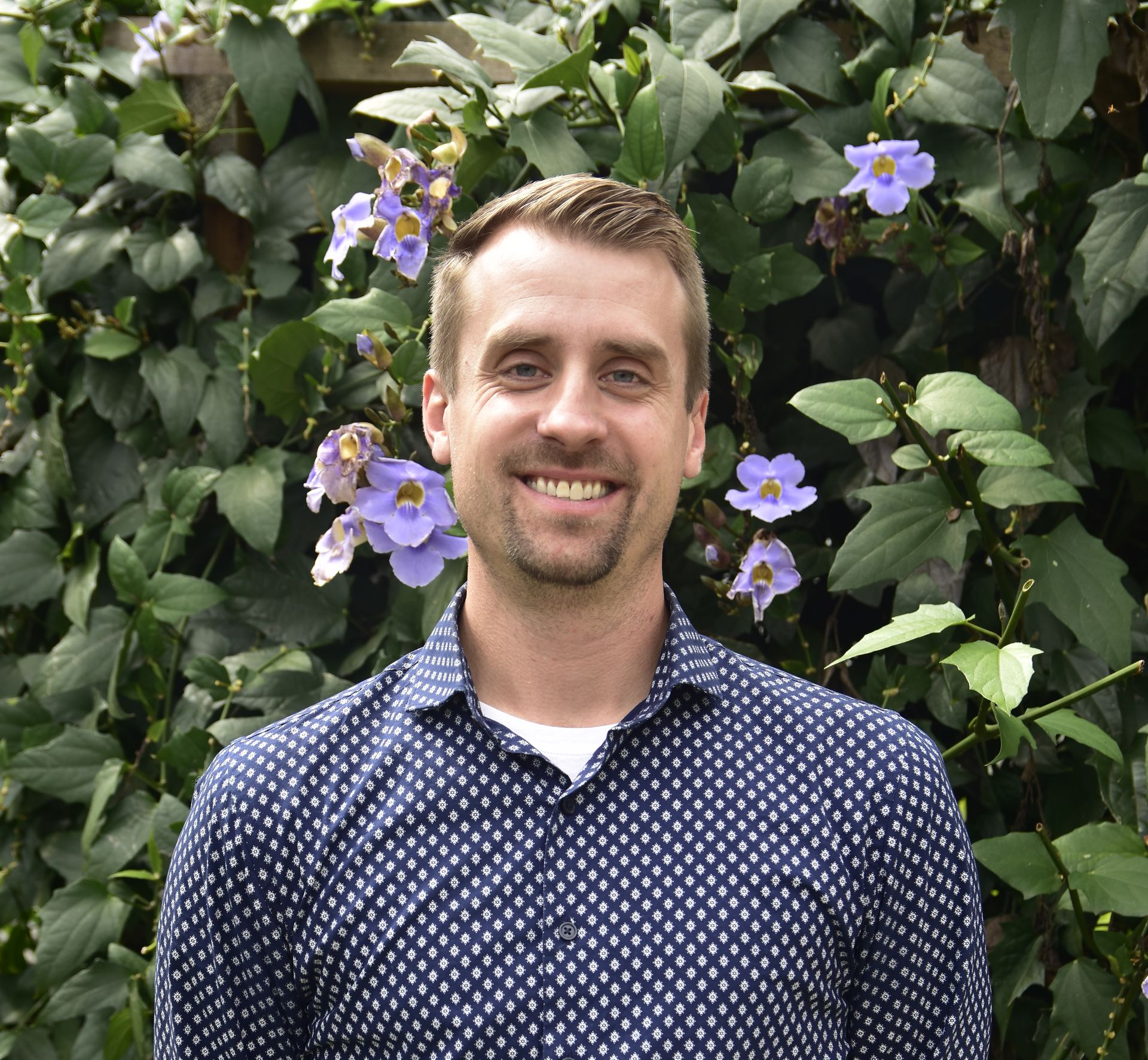
Rev. Kyle Meyaard-Schaap
Executive Director, ASJ-US
A Reflection from ASJ-Canada Board President, Matt Van Geest.
Canadians went to the polls in 2025 in an election that, for most of us, was over in the time it takes to grab a coffee. For me, I showed my ID, marked my ballot in private, dropped it in the box, and headed home, all within 5 minutes. Results arrived before bedtime. Democracy in Canada has always felt, to me, efficient, orderly, and secure. In late November, I was in Honduras as part of an international delegation observing that country’s national elections. The contrast was striking, and instructive. If you want to understand the fragility of democracy, sometimes you need to leave home.
How Hondurans Live Out the Joy of Democratic Participation.
by Ernesto Cortés
In the months leading up to the presidential election in Honduras, there was an atmosphere of anxiety and uncertainty. The media frequently broadcast news stories that suggested public institutions were being exploited for partisan purposes. There was strong polarization between political parties, fake news, attacks and hate speech against candidates. In this context of democratic crisis, I signed up to be an observer with the Network for the Defense of Democracy (RDD)—a civil society alliance led by ASJ—because I believed that only by participating actively and consciously could I contribute to building a more just society for all Hondurans.
A Spotlight on Our Dedicated Volunteers.
The first week of February is when, ideally, Honduran schools should welcome students to the classrooms. However, this has only happened a handful of times. Honduran law also requires schools to provide at least 200 days of classroom instruction. This has also only happened a handful of times.

GET TO KNOW US
PO Box 888631, Grand Rapids, MI 49588
| info@asj-us.org | 1 (800) 897-1135
ASJ (formerly known as AJS) changed our name in 2021 to reflect our partnership with Honduras and our Honduran roots. Learn more.
© 2026 ASJ-US All Rights Reserved. ASJ-US is a U.S. registered 501(c)(3) non-profit organization.
Powered by AutomationLinks