“We feel motivated about being agents of change in education. It motivates us to know that we can help so many young children to have access to education and encourage the parents to be an active part in improving the system.”
- Cynthia Flores
February 19, 2026
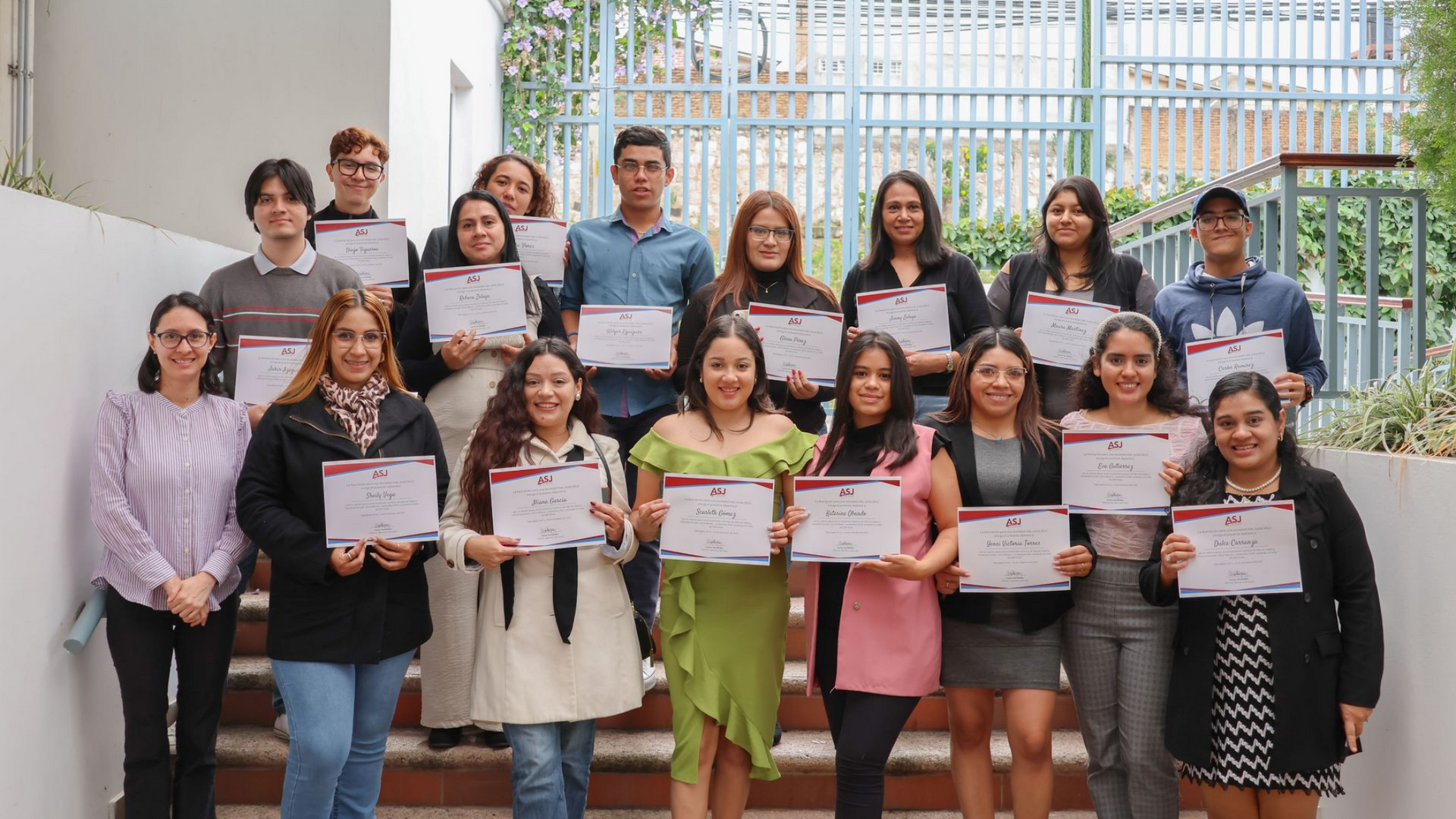
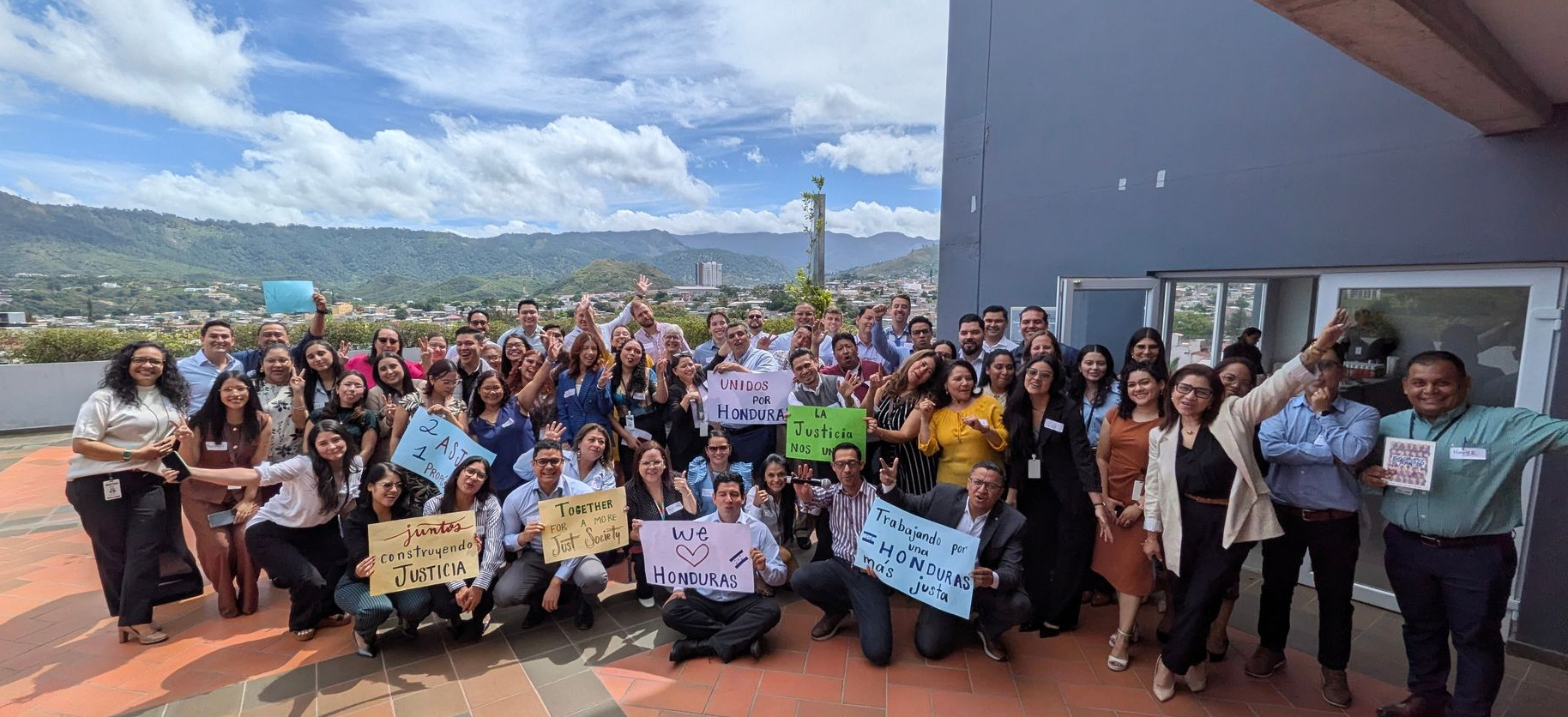
2025 Year-end luncheon with our volunteers.
The first week of February is when, ideally, Honduran schools should welcome students to the classrooms. However, this has only happened a handful of times. Honduran law also requires schools to provide at least 200 days of classroom instruction. This has also only happened a handful of times.
From 2002-2012, children only received an average of 120 days of school per year. Our advocacy work resulted in an increase in school days from 2013-2018, when children received an average of 218 days of school per year. Even during the pandemic, ASJ continued to work for Honduran children’s right to a good education.
When children returned to their classrooms in 2022, they received an alarmingly low number of 97 days of school. So, our team designed a tracking tool, accessible to the general public, that compiles the days-of-class data that our volunteers collect. This platform has become an important reference tool that holds the authorities accountable to improve the quality of public education.
The success of this school days counter, called “Aulas Abiertas” (Open Classrooms), is a testament to our dedicated volunteers. Every Friday, a group of young collaborators come to our office ready to conduct hundreds of calls to Honduran parents and ask them the following questions:
This data feeds our dashboard and informs our advocacy to improve the education system. Our volunteers do their work enthusiastically, and, at the same time, they receive valuable experience and mentorship from our staff. We asked the volunteers what motivates them to do this work with ASJ, and here is what some of them responded:
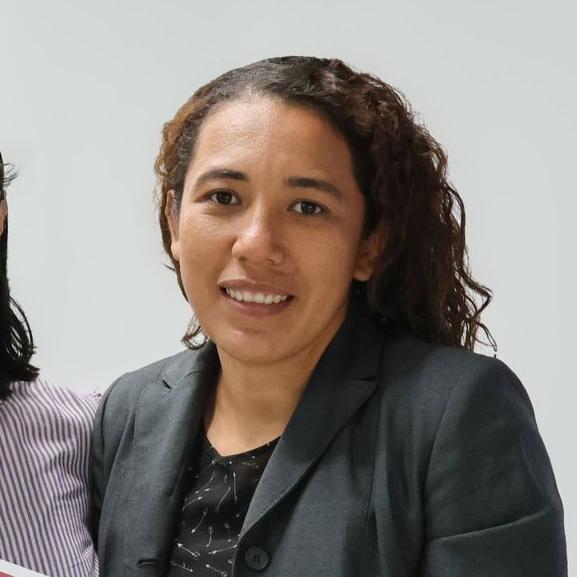
“We feel motivated about being agents of change in education. It motivates us to know that we can help so many young children to have access to education and encourage the parents to be an active part in improving the system.”
- Cynthia Flores

“I joined because I wanted to help the community, specifically the children, with education and access to the school lunch because I know there are so many families that truly need it. And if I can help them in any way, I will.”
- Diego Figueroa
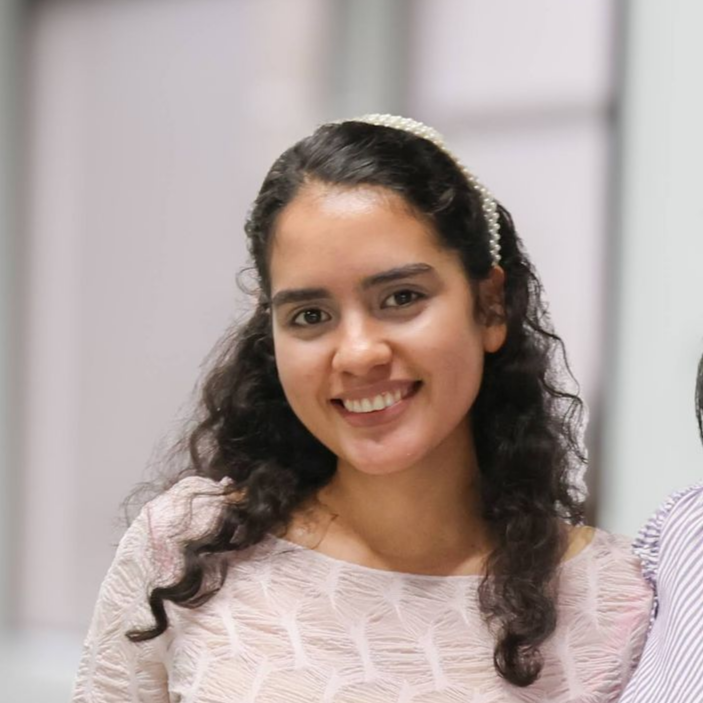
“I like seeking out volunteer opportunities, and I think that the work of collecting the data about school days and school lunches is very important. I am happy to be a volunteer here and to be a part of this change.”
- Eva Ángela
At the end of the year in 2025, we held a luncheon to thank these amazing volunteers, and we were extremely grateful and encouraged to hear so many of them already talking about volunteering again for the next year. The fulfilling work they have been doing and the deep friendships and professional relationships they developed at ASJ were some of the highlights mentioned often.
We are excited to continue our work in tandem with our volunteers, staff, and civil society allies this coming year. Even though the school year has only just started, we already have so many significant wins to be grateful for! Here are a few highlights from the start of this school year:
We are grateful and motivated because Honduran children deserve a better quality education.
Words from the Executive Director
In November, I had the privilege to travel with ASJ supporters from the US and Canada to Tegucigalpa as a team of international election observers. The experience was profound. I’ve been sharing about it with anyone who will listen ever since. One of the most common questions I get is, “Were the results legitimate?” After I answer with
an emphatic, “Yes!”, there is the inevitable follow-up, “How do you know?”
It’s a good question. And I have a good answer.
A Reflection from ASJ-Canada Board President, Matt Van Geest.
Canadians went to the polls in 2025 in an election that, for most of us, was over in the time it takes to grab a coffee. For me, I showed my ID, marked my ballot in private, dropped it in the box, and headed home, all within 5 minutes. Results arrived before bedtime. Democracy in Canada has always felt, to me, efficient, orderly, and secure. In late November, I was in Honduras as part of an international delegation observing that country’s national elections. The contrast was striking, and instructive. If you want to understand the fragility of democracy, sometimes you need to leave home.
How Hondurans Live Out the Joy of Democratic Participation.
by Ernesto Cortés
In the months leading up to the presidential election in Honduras, there was an atmosphere of anxiety and uncertainty. The media frequently broadcast news stories that suggested public institutions were being exploited for partisan purposes. There was strong polarization between political parties, fake news, attacks and hate speech against candidates. In this context of democratic crisis, I signed up to be an observer with the Network for the Defense of Democracy (RDD)—a civil society alliance led by ASJ—because I believed that only by participating actively and consciously could I contribute to building a more just society for all Hondurans.

GET TO KNOW US
PO Box 888631, Grand Rapids, MI 49588
| info@asj-us.org | 1 (800) 897-1135
ASJ (formerly known as AJS) changed our name in 2021 to reflect our partnership with Honduras and our Honduran roots. Learn more.
© 2026 ASJ-US All Rights Reserved. ASJ-US is a U.S. registered 501(c)(3) non-profit organization.
Powered by AutomationLinks