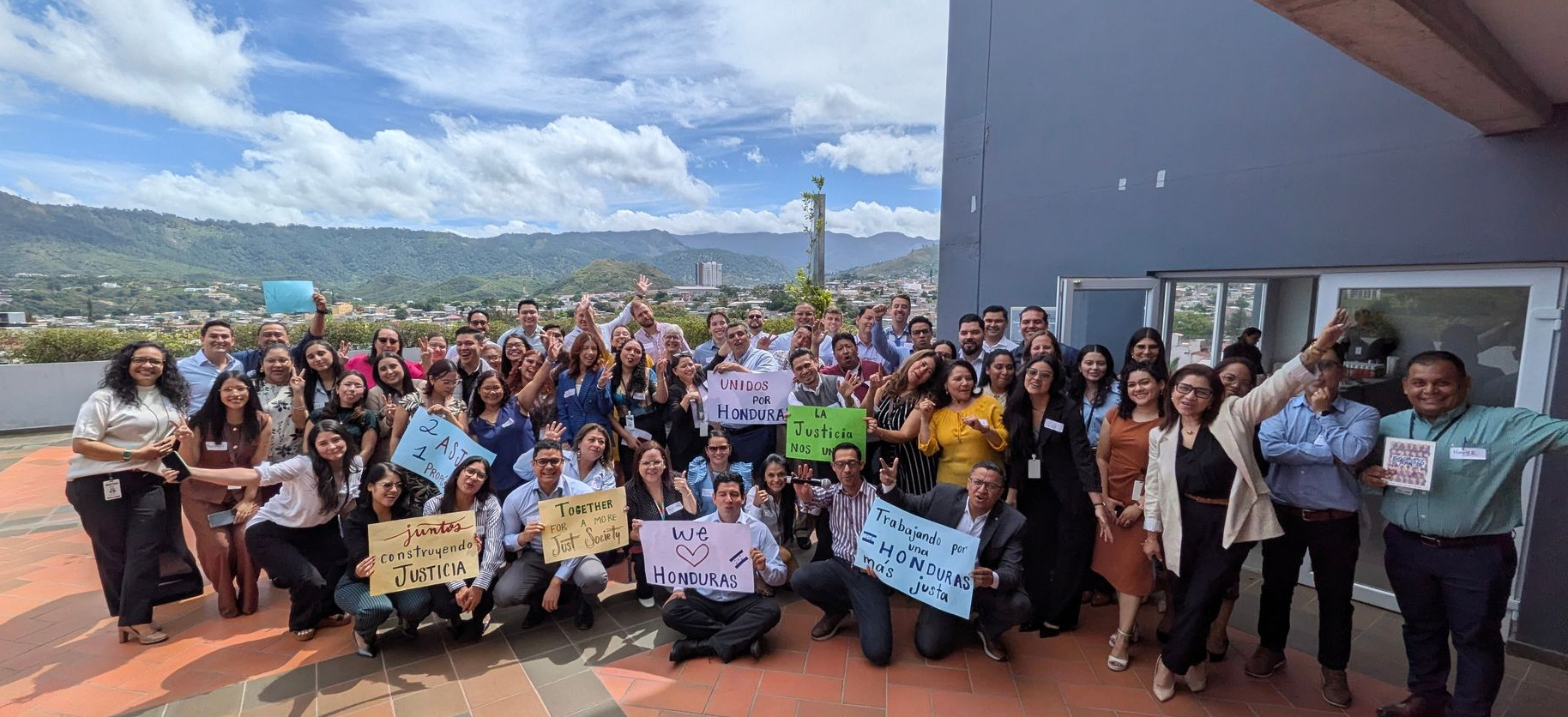
In the face of so much need, our first reaction is to criticize the government, denounce these serious failings, and tell government officials that they are clearly not doing their job. But at the Association for a More Just Society we believe we have a responsibility to go further. We have always been convinced that to be a brave Christian you have to do more than just criticize. You have to illustrate what the problem really is. You have to knock on the door of the governor, the mayor, or the legislator and sit down with them. In that context, we can explain how we interpret the problem, what we think the solution is, and make sure they understand that we are willing to collaborate to fix this problem. This collaboration has always been our goal in Honduras.
June 22, 2017
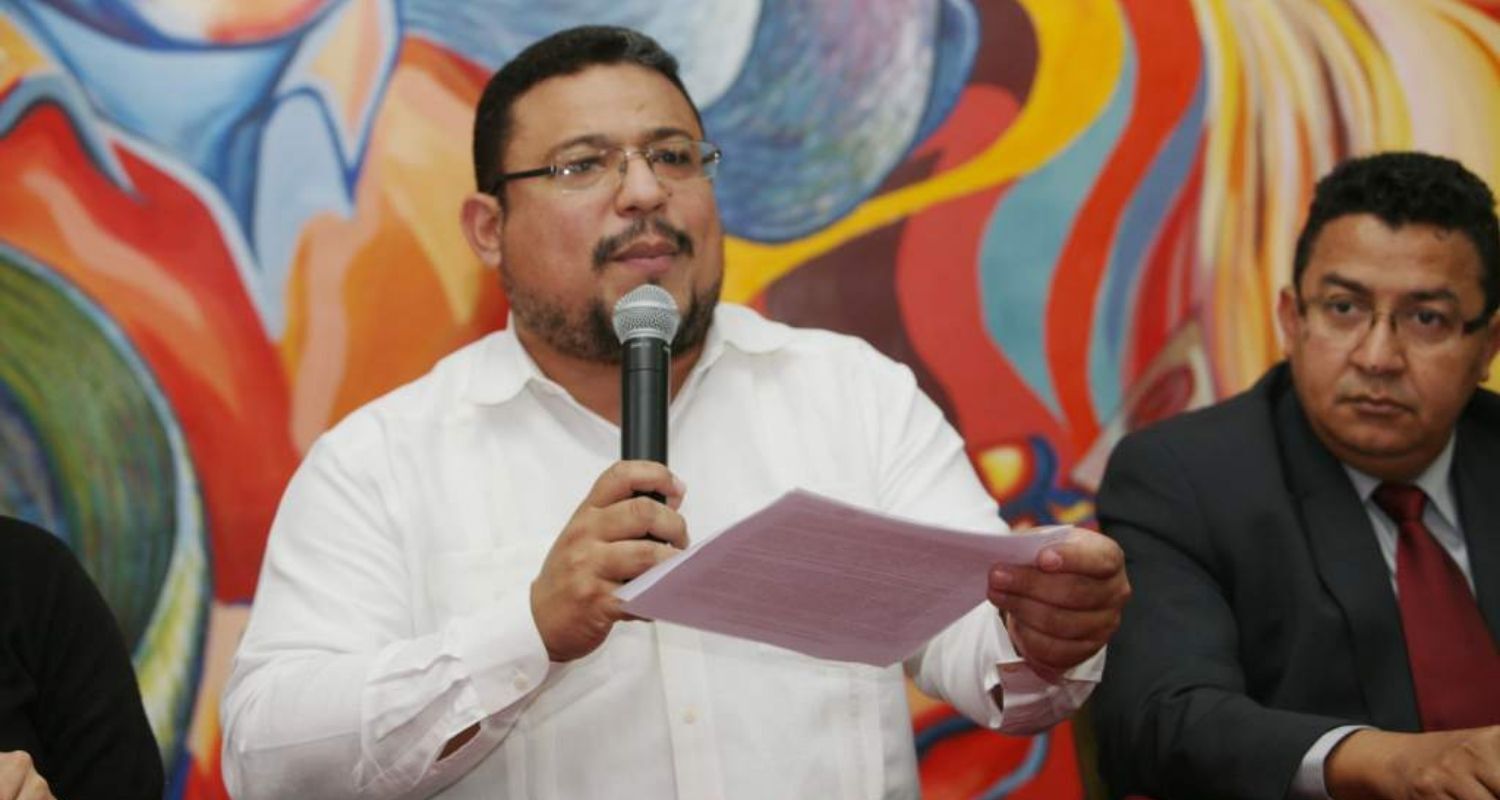
By Omar Rivera
I am one of the eight million people in Honduras who has watched my country suffer from what seems like every problem that a country could possibly face. Honduras is one of the most corrupt countries in the world. Three-quarters of the country’s population lives in poverty, and many do not have jobs. Furthermore, Honduras has one of the highest homicide rates in the world. In the past three years, we have managed to reduce the homicide rate from 90 per 100,000 to 60 per 100,000 – but this is still ten times higher than the global average. Our problems are enormous, and seem overwhelming.
Do More than Criticize
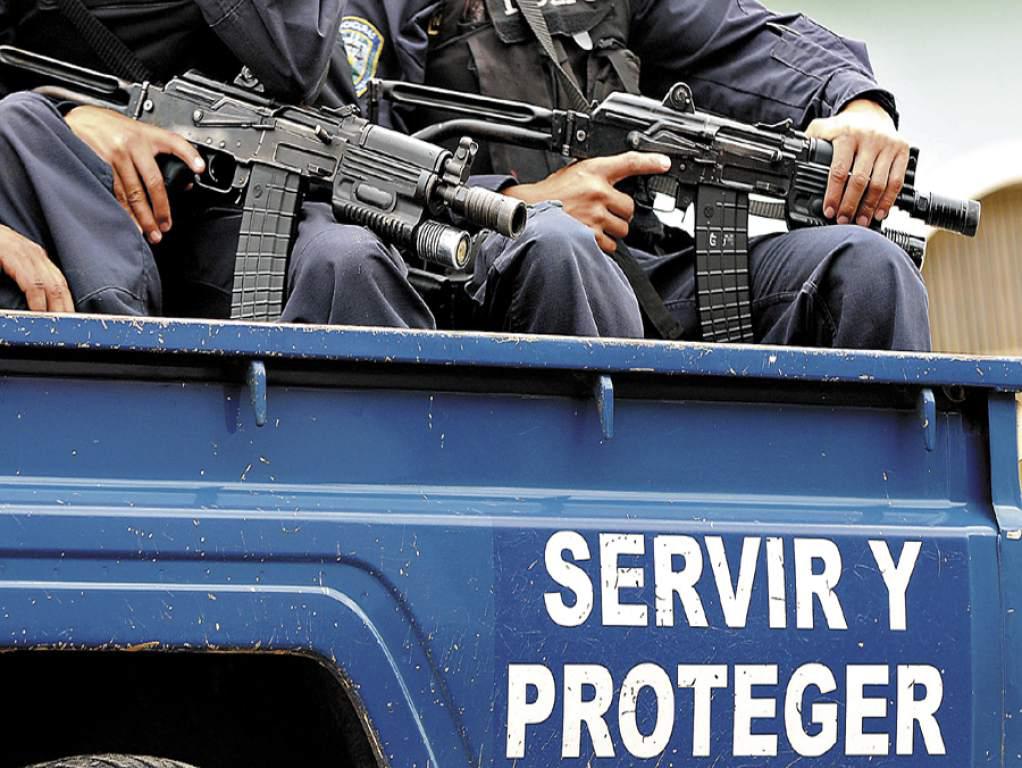
There are many problems in Honduras, but we at ASJ (formerly known as AJS) have focused most of our attention on one – impunity. In Honduras, only 4% of homicides ever go to trial. This is largely because of corruption and incompetence in the police and in the judicial authorities, which results in few citizens trusting enough to file a report, or testify as a witness or victim of crime.
For the majority of Hondurans, the face of the government is represented by two different groups – teachers and police officers. These are two groups of people who can do a great deal of good if they do their jobs well. On the other hand, if they do not do their jobs, the damage can be incredible.
Imagine the power and influence of these two groups, but then realize that as opposed to teachers, police officers have a gun, they have a uniform, they have other police under their control. The impact of corrupt police is that much greater. And we have observed, sadly, that many police chose the path of corruption. Many police, instead of serving their community, were actually damaging their community, serving the interests of gangs or drug trafficking rings. In order to confront impunity and violence in Honduras, we realized, we had to start by cleaning up the police.
Five Years of Advocacy
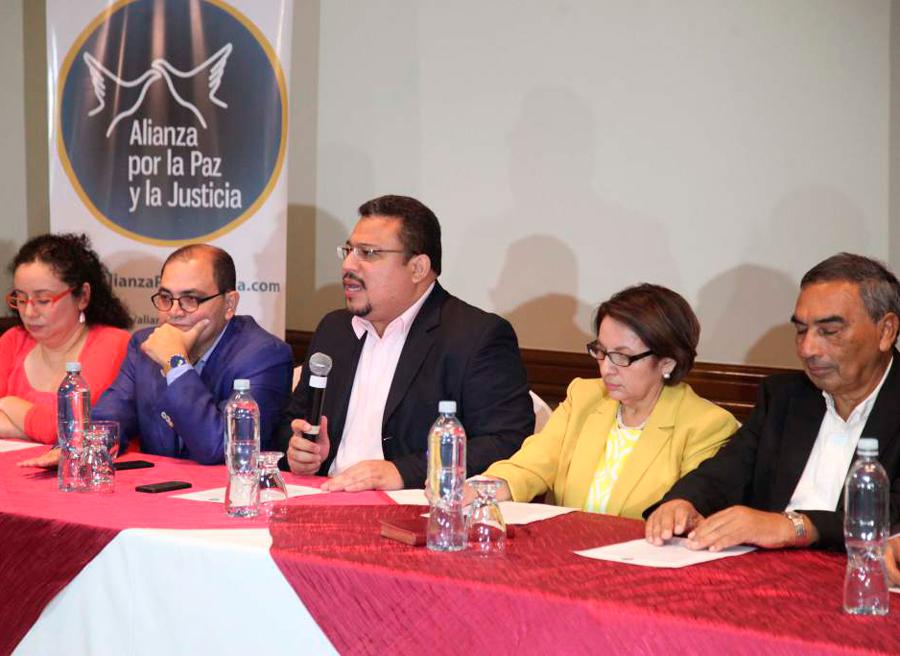
Five years ago, we at ASJ started to denounce corruption in the police force. We spoke out in the streets, in the media, in meetings with partner organizations. We also started doing a series of studies clearly demonstrating statistics behind corruption in the police. We brought those to the government, showing them that they were not going to bring down the homicide rate until we had a decent police force. We told them that it wasn’t going to do any good to provide more training, to buy more technology or police cars until they had good police to work with. As a matter of fact, giving more money and resources to a corrupt police force would be like feeding a monster.
In our advocacy, we emphasized a few key points. We said that however you clean up the police force, reform has to start from the top, and work its way down. We also said this process had to go fast so no one has the chance to react and push back. We said that all corruption that was documented had to go to the prosecutor’s office to be investigated and tried. And finally, we said everything that was discovered had to be made public, shared with journalists and the citizenry in general so that the population as a whole would understand just how bad the police had gotten.
For five years we shared this message with the president. We still don’t exactly know why for all these years no one wanted to do anything. Maybe they didn’t know how to start. Maybe they were afraid. Maybe the president felt alone in this topic. What was clear is that none of the presidents and none of the political leaders wanted to touch the issue.
Saying “Yes” to the Call
This all changed one day when a Honduran newspaper published a series detailing corruption and crime within the police – in particular a case where high-ranking police officers had commanded and executed a hit against the head of the drug enforcement agency. The Honduran population finally saw the extent of this problem. When more details about police corruption were leaked to the New York Times, not just the Honduran population but the whole world could read about how corrupt the Honduran police was. Pressure from both within and outside of the country began to increase. It was no longer a matter of whether the president wanted to or didn’t want to clean up the police – now the president had to clean up the police.
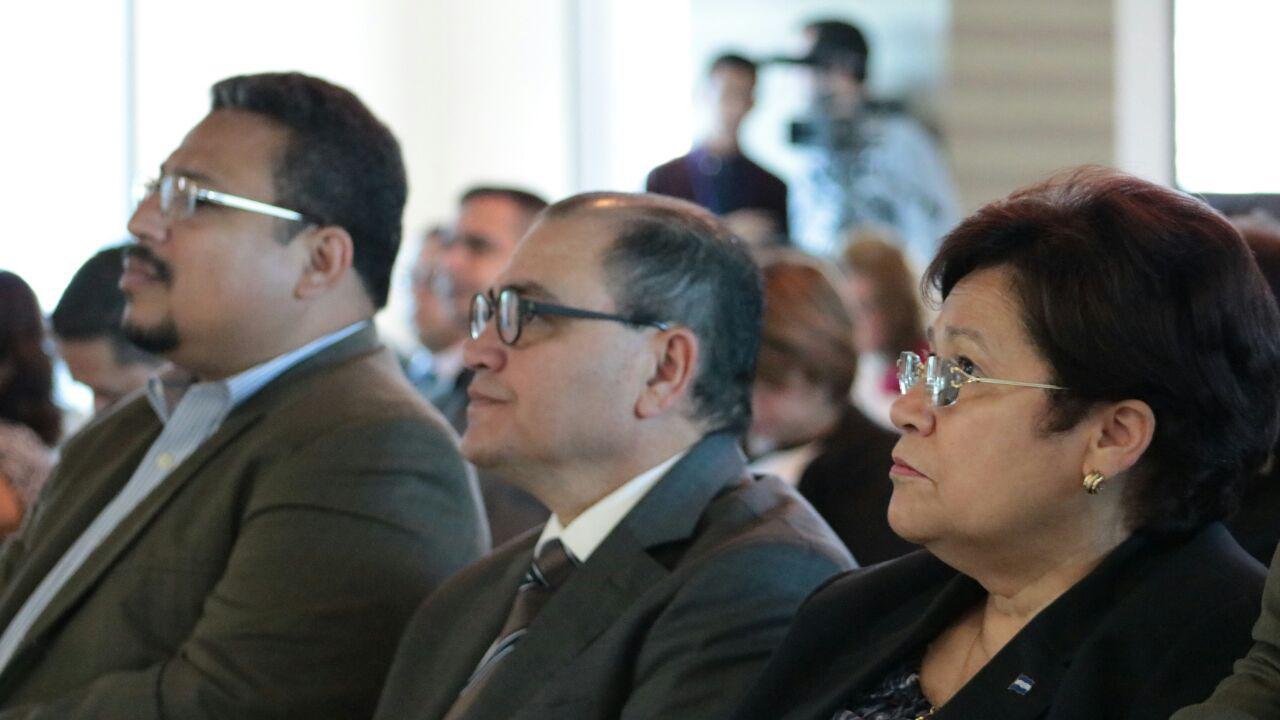
The Sunday morning after this report came out, the president called me on the phone; he called ASJ president Carlos Hernández on the phone, and he called two board members of ASJ. I will never forget what he told us:
“I want to clean up the police, but I can’t do it by myself,” said the president. “I need your help. But I also need to test whether you can really put all these words you’ve been saying for five years into action.”
The president named an independent commission to clean up the police, and of the seven people he called, four of us were representatives from ASJ. Four of us were brave Christians, testing for ourselves whether God could really lead us by the hand throughout this process, whether our courageous and committed work could produce great things through God’s guidance.
Cleaning up the Police
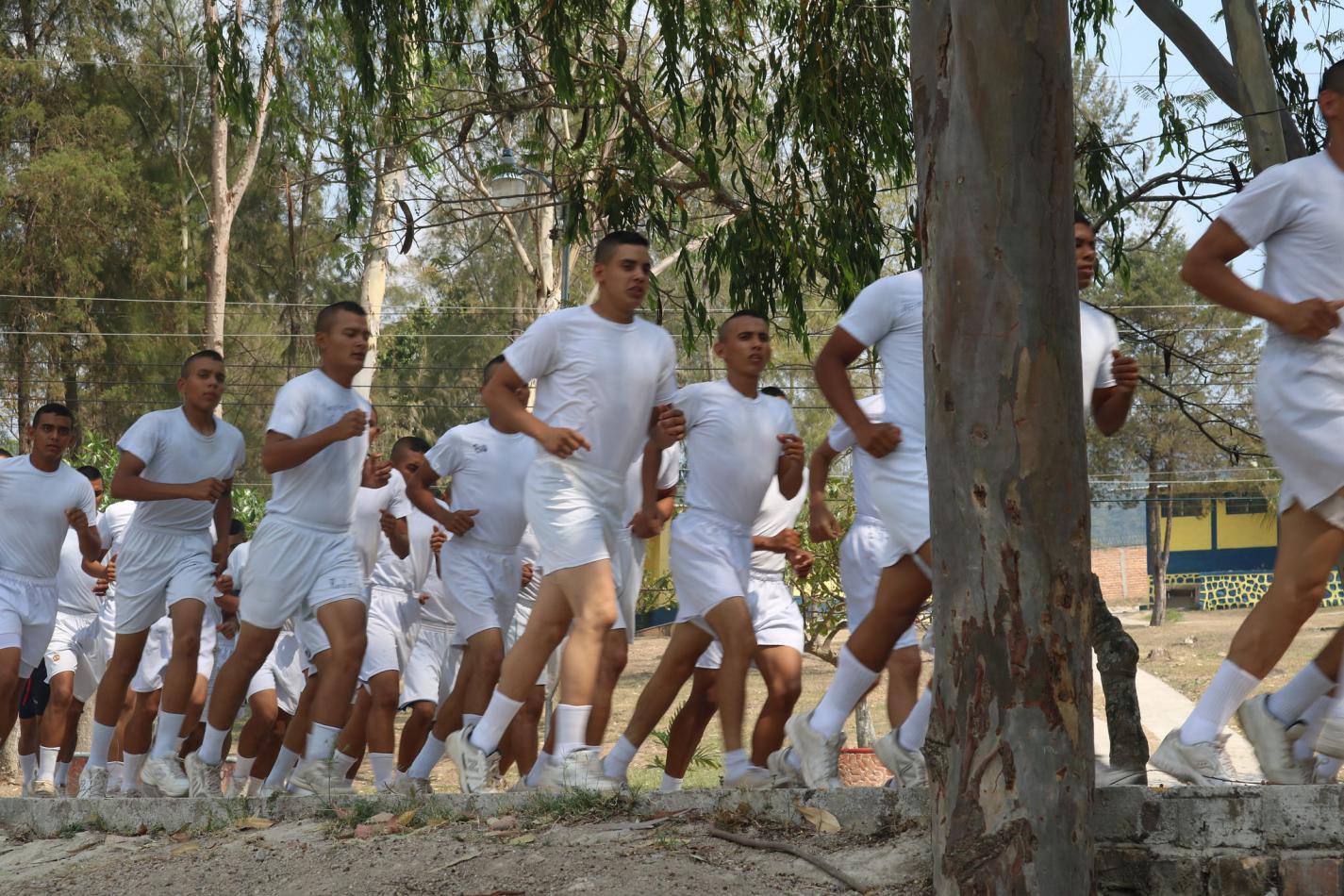
I received that phone call twelve months ago. In the past twelve months, out of the 14,000 police that there were in the country, we have removed over 4,000. Six of the highest-ranking police officers in the country have been extradited to the United States to face trial for drug trafficking. We have sent 120 cases of serious crimes to the prosecutor’s office, where over 500 officers are being prosecuted. But the best part is that after we removed those 4,000 officers, we were able to prove that the remaining 10,000 officers are good, trustworthy, capable police – just like the 3,900 new officers that have been hired since the implementation of stricter application and training procedures.
These good police no longer have to be worried as they sit in their squad car whether the man sitting in the seat next to him is corrupt. Every police officer has been certified and have demonstrated that they are trustworthy and capable.
So now, after a year, we are starting a new phase. We are doing more than getting rid of the bad apples, we are fully reforming the police, reforming the laws, creating an institutional strategic plan of the sort that has never existed before. Now that we’re sure of the qualifications of the officers, we’re working to get them better guns, better materials, better training, and technology so that they can be more effective.
See, corrupt police and ineffective police are two sides of the same coin. Both do damage to the people they are supposed to serve. We need to have a force that is both honest and effective. And that is what we are working towards.
Demonstrating that it’s Possible
Through this process, we are demonstrating to the President and the population that not only can we observe and identify problems and propose solutions, we can also work with the government to solve those problems. This has been a great satisfaction for us. But it has not come without a cost.
Many of the cops we have fired want to hurt us. They’ve been watching our houses, following our family, threatening our children, and threatening our lives. One of our members was attacked in his house and one of his bodyguards was killed. All of us had to pull our children out of their schools, and move into new, safer homes. While we moved to safer homes, we had to send our families out of the country for nearly two months, time that we were forced to spend apart from our loved ones.
We were afraid. We were afraid for ourselves and for our families; however, that fear was also a challenge. It was a challenge we were able to overcome for three reasons.
First, God was with us. God gave us the strength to continue.
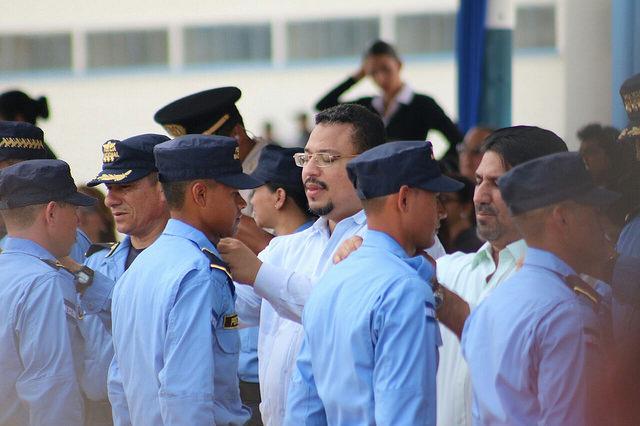
Second, we knew we were not doing this work by ourselves. It was never just me, it was a group of seven people on the Commission. And it wasn’t just the Commission, we had many brave Christians behind us, supporting us.
Third, we knew that we were seeking truth, and that our work was just. It was something that in the end would benefit our families and our neighbors but also all of Honduras. We knew that what we were doing was planting a seed that would have incredible fruit – peace and safety for more than eight million people.
As we in the Commission and at ASJ continue in this work, we hope that people around the world will be encouraged and challenged to get close to the problems in their own environments.
Brave Christians are called to bring about transformation. When institutions are cleaned up, reformed, and strengthened, we see God’s work being done – and we draw closer to the day where the system will finally work and work for everyone, especially for the most vulnerable.
Omar Rivera is ASJ-Honduras’s Director of Advocacy and a Member of the Commission for Police Reform and Restructuring in Honduras. Rivera has years of experience leading civil society in government advocacy, particularly in the areas of public security and anti-corruption efforts. Despite threats against his life, Rivera continues to work bravely for justice in Honduras, where he lives with his wife and three children.