Jo Ann Van Engen
Donor Liaison and Communications Support, ASJ-US

June 26, 2026
I have been thinking a lot lately about the labels I use to define myself and others.
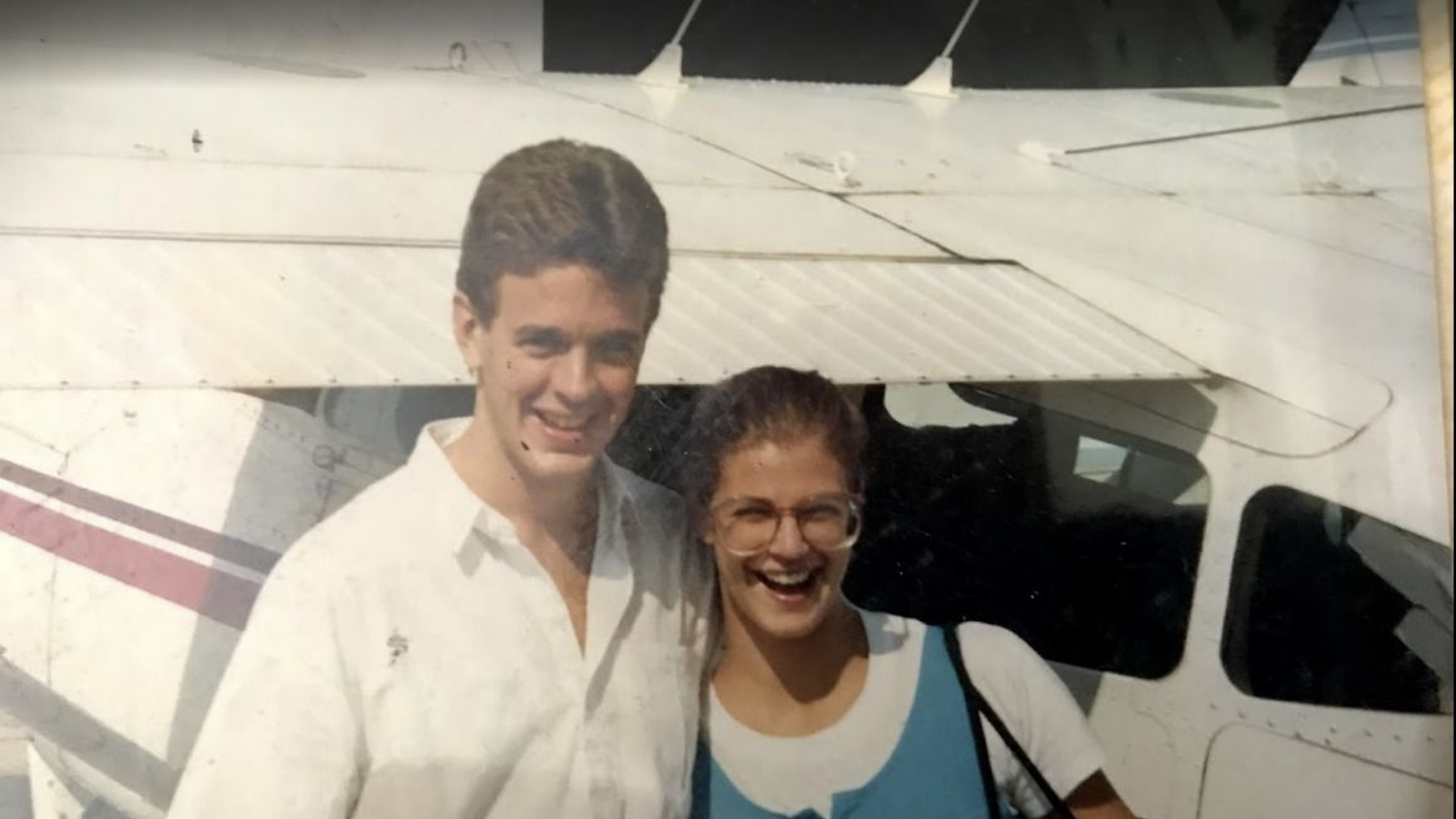
Kurt and I moved to Honduras when we were just 22 years old, and it has been home ever since. Over the past forty years, we have raised our children, bought a house, joined a church, founded an organization, and become permanent residents.
Yet, it occurred to me recently that despite the deep roots we have put down, no one—in Honduras or the US—has ever referred to us as “immigrants.”
Instead, we are called "expats." A quick search will tell you that an expatriate is someone who moves to another country for work. That definition fits well enough on the surface, but it carries a lot of unspoken assumptions. As an expat, it is assumed I will remain connected to the country I left behind: that my family will speak English at home, celebrate US holidays, and maintain American customs. And we do. It is assumed I will always be an American. And I am.
It isn’t just people in the US who assume our identity remains rooted in our birthplace; Hondurans do too. After 40 years, we are still gringos, and we always will be. After complimenting us on our Spanish, people inevitably ask about our connections in the US: Where are you from? Where does your family live? What states have you visited? (This last one usually opens the door to shared experiences—states they have visited or where they have family). Hondurans are genuinely curious about our heritage, assume we are proud of it, and are a little surprised—but very pleased—that we have chosen to make Honduras our permanent home. They have no doubt that we are still Americans.
Lately, though, I’ve become aware of a double standard that I am honestly embarrassed to have missed for so long: the term “expat,” and the assumptions about identity attached to it, rarely apply to the people who move from their home country to the United States.
Those who arrive from other countries to the US are called “immigrants,” and our expectations for them are very different. For many, the mental checklist for a "successful" immigrant is about assimilation: learning English quickly, ensuring children speak it fluently, embracing American holidays and food and eventually becoming US citizens. It is about embracing a new life and downplaying the heritage and traditions of one's home country.
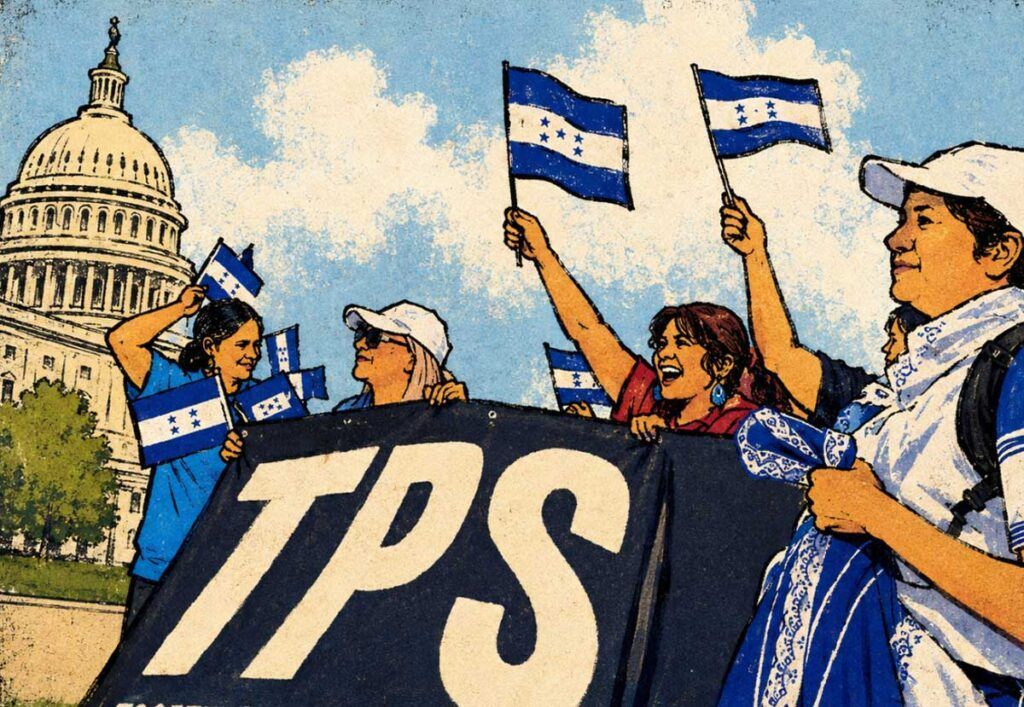
I know I am guilty of using that check list at times; that sometimes when I am in the US and see a home displaying a flag from another country, it makes me uneasy. Is it a sign of divided loyalty? A criticism of the United States? There is an unspoken expectation that immigrants, especially those from developing nations, should shed their old identities out of gratitude for the opportunity they have been given to become “Americans.”
I understand where that sentiment comes from. Everyone who moves to a new country and grows to love it shares a deep sense of gratitude for their adopted home. But I don’t think gratitude has to be exclusive. I can love my country of origin and my adopted country. We can fly both flags, speak both languages, and celebrate both cultures without being disloyal to either.
The uncomfortable truth is that "expats" like me are encouraged to appreciate both cultures, while “immigrants” are often pressured to “fit in.”
A few years ago, our daughter, Andrea, who we adopted when she was a teenager, was in the checkout line at Meijer, when her cousin called her from Honduras. The line was long, so she answered, and she and her cousin began chatting in Spanish. After a few minutes, the man behind her muttered loudly, “Speak English! You are in America now!”
Without missing a beat, she replied, “Yes, but my cousin is not!” I loved that snappy response but it hurt my heart that she was criticized for staying connected to her home country and family.
When I was growing up, the cars in our church parking lot often sported bumper stickers that read, "If you’re not Dutch, you’re not much." It was tongue-in-cheek—a humorous way to show pride in the shared heritage of almost everyone in our congregation. No one ever questioned the patriotism of the people driving those cars or their loyalty to the US.
I’m glad those bumper stickers are gone; they were undeniably exclusionary. But I do wonder what it would look like if we extended that same grace to everyone? What if immigrants were allowed to be proud of their heritage while weaving themselves into the fabric of their new culture?
Imagine if we replaced suspicion with genuine curiosity. What if we could build communities where asking someone about their history felt like an act of connection, rather than a barrier meant to alienate.
True belonging shouldn't require us to erase where we came from; it simply asks that we open our hearts to the places, and the people, we encounter along the way.
Jo Ann Van Engen
Donor Liaison and Communications Support, ASJ-US

GET TO KNOW US
PO Box 888631, Grand Rapids, MI 49588
| info@asj-us.org | 1 (800) 897-1135
ASJ (formerly known as AJS) changed our name in 2021 to reflect our partnership with Honduras and our Honduran roots. Learn more.
© 2026 ASJ-US All Rights Reserved. ASJ-US is a U.S. registered 501(c)(3) non-profit organization.
Powered by AutomationLinks